Hurricane Safety Checklist
Hurricanes are strong storms that cause lifeand propertythreatening
hazards such as flooding, storm surge, high winds and tornadoes.
Preparation is the best protection against the dangers of a hurricane.
Hurricane WatchHurricane conditions
are a threat within 36 hours. Review your hurricane plans, keep
informed and be ready to act if a warning is issued.
Hurricane WarningHurricane
conditions are expected within 24 hours. Complete your storm
preparations and leave the area if directed to do so by authorities.
What should I do?
- Listen to a NOAA Weather Radio for critical information from the National Weather Service (NWS).
- Check your disaster supplies and replace or restock as needed.
- Bring in anything that can be picked up by the wind (bicycles, lawn furniture).
- Close windows, doors and hurricane shutters. If you do not have
hurricane shutters, close and board up all windows and doors with
plywood.
- Turn the refrigerator and freezer to the coldest setting and
keep them closed as much as possible so that food will last longer if
the power goes out.
- Turn off propane tanks and unplug small appliances.
- Fill your cars gas tank.
- Talk with members of your household and create an evacuation
plan. Planning and practicing your evacuation plan minimizes confusion
and fear during the event.
- Learn about your communitys hurricane response plan. Plan
routes to local shelters, register family members with special medical
needs as required and make plans for your pets to be cared for.
- Evacuate if advised by authorities. Be careful to avoid flooded roads and washed out bridges.
- Because standard homeowners insurance doesnt cover flooding,
its important to have protection from the floods associated with
hurricanes, tropical storms, heavy rains and other conditions that
impact the U.S. For more information on flood insurance, please visit
the National Flood Insurance Program Web site at www.fema.gov/business/nfip.
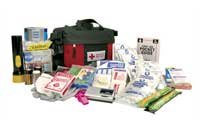
What supplies do I need?
- Waterat least a 3day supply; one gallon per person per day
- Foodat least a 3day supply of nonperishable, easytoprepare food
- Flashlight
- Batterypowered or handcrank radio (NOAA Weather Radio, if possible)
- Extra batteries
- First aid kit
- Medications (7day supply) and medical items (hearing aids with extra batteries, glasses, contact lenses, syringes, cane)
- Multipurpose tool
- Sanitation and personal hygiene items
- Copies of personal documents (medication list and pertinent
medical information, proof of address, deed/lease to home, passports,
birth certificates, insurance policies)
- Cell phone with chargers
- Family and emergency contact information
- Extra cash
- Emergency blanket
- Map(s) of the area
- Baby supplies (bottles, formula, baby food, diapers)
- Pet supplies (collar, leash, ID, food, carrier, bowl)
- Tools/supplies for securing your home
- Extra set of car keys and house keys
- Extra clothing, hat and sturdy shoes
- Rain gear
- Insect repellent and sunscreen
- Camera for photos of damage
What do I do after a hurricane?
- Continue listening to a NOAA Weather Radio or the local news for the latest updates.
- Stay alert for extended rainfall and subsequent flooding even after the hurricane or tropical storm has ended.
- If you evacuated, return home only when officials say it is safe.
- Drive only if necessary and avoid flooded roads and washedout bridges.
- Keep away from loose or dangling power lines and report them immediately to the power company.
- Stay out of any building that has water around it.
- Inspect your home for damage. Take pictures of damage, both of the building and its contents, for insurance purposes.
- Use flashlights in the dark. Do NOT use candles.
- Avoid drinking or preparing food with tap water until you are sure its not contaminated.
- Check refrigerated food for spoilage. If in doubt, throw it out.
- Wear protective clothing and be cautious when cleaning up to avoid injury.
- Watch animals closely and keep them under your direct control.
- Use the telephone only for emergency calls.
|










.jpg)