Tornado Safety Checklist
A tornado is a violently rotating column of air extending
from the base of a thunderstorm down to the ground. Tornado intensities
are classified on the Fujita Scale with ratings between F0 (weakest) to
F5 (strongest). They are capable of completely destroying well-made
structures, uprooting trees and hurling objects through the air like
deadly missiles. Although severe tornadoes are more common in the Plains
States, tornadoes have been reported in every state.
Tornado Watch
Tornadoes are possible in and near the watch area. Review and discuss
your emergency plans, and check supplies and your safe room. Be ready to
act quickly if a warning is issued or you suspect a tornado is
approaching. Acting early helps to save lives!
Tornado Warning
A tornado has been sighted or indicated by weather radar. Tornado
warnings indicate imminent danger to life and property. Go immediately
under ground to a basement, storm cellar or an interior room (closet,
hallway or bathroom).
What should I do to prepare for a tornado?
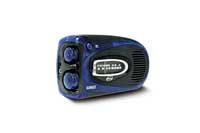
- During any storm, listen to local news or a NOAA Weather Radio to stay informed about watches and warnings.
- Know your community's warning system. Communities have different
ways of warning residents about tornados, with many having sirens
intended for outdoor warning purposes.
- Pick a safe room in your home where household members and pets
may gather during a tornado. This should be a basement, storm cellar or
an interior room on the lowest floor with no windows.
- Practice periodic tornado drills so that everyone knows what to do if a tornado is approaching.
- Consider having your safe room reinforced. Plans for reinforcing
an interior room to provide better protection can be found on the FEMA
Web site at http://www.fema.gov/plan/prevent/rms/rmsp453.shtm.
- Prepare for high winds by removing diseased and damaged limbs from trees.
- Move or secure lawn furniture, trash cans, hanging plants or
anything else that can be picked up by the wind and become a projectile.
- Watch for tornado danger signs:
- Dark, often greenish clouds-a phenomenon caused by hail
- Wall cloud-an isolated lowering of the base of a thunderstorm
- Cloud of debris
- Large hail
- Funnel cloud-a visible rotating extension of the cloud base
- Roaring noise
What should I do if a tornado is threatening?
- The safest place to be is an underground shelter, basement or safe room.
- If no underground shelter or safe room is available, a small,
windowless interior room or hallway on the lowest level of a sturdy
building is the safest alternative.
- Mobile homes are not safe during tornadoes or other severe winds.
- Do not seek shelter in a hallway or bathroom of a mobile home.
- If you have access to a sturdy shelter or a vehicle, abandon your mobile home immediately.
- Go to the nearest sturdy building or shelter immediately, using your seat belt if driving.
- Do not wait until you see the tornado.
- If you are caught outdoors, seek shelter in a basement, shelter or sturdy building. If you cannot quickly walk to a shelter:
- Immediately get into a vehicle, buckle your seat belt and try to drive to the closest sturdy shelter.
- If flying debris occurs while you are driving, pull over and park. Now you have the following options as a last resort:
- Stay in the car with the seat belt on. Put your head
down below the windows, covering with your hands and a blanket if
possible.
- If you can safely get noticeably lower than the level of
the roadway, exit your car and lie in that area, covering your head
with your hands.
- Your choice should be driven by your specific circumstances.
What do I do after a tornado?
- Continue listening to local news or a NOAA Weather Radio for updated information and instructions.
- If you are away from home, return only when authorities say it is safe to do so.
- Wear long pants, a longsleeved shirt and sturdy shoes when examining your walls, doors, staircases and windows for damage.
- Watch out for fallen power lines or broken gas lines and report them to the utility company immediately.
- Stay out of damaged buildings.
- Use batterypowered flashlights when examining buildingsdo NOT use candles.
- If you smell gas or hear a blowing or hissing noise, open a
window and get everyone out of the building quickly and call the gas
company or fire department.
- Take pictures of damage, both of the building and its contents, for insurance claims.
- Use the telephone only for emergency calls.
- Keep all of your animals under your direct control.
- Clean up spilled medications, bleaches, gasoline or other flammable liquids that could become a fire hazard.
- Check for injuries. If you are trained, provide first aid to persons in need until emergency responders arrive.
|










.jpg)