Wild Fire Safety Checklist
More and more people are making their homes in woodland
settings, rural areas or remote mountain sites. There, residents enjoy
the beauty of the environment but face the very real danger of wild
fires. Wild fires often begin unnoticed. They spread quickly, igniting
brush, trees and homes. In a wild fire, every second counts!
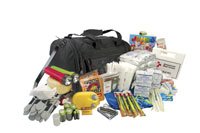
Supplies to take with you if you need to evacuate:
- Waterone gallon per person, per day (3day supply)
- Foodnonperishable, easytoprepare items (3day supply)
- Flashlight
- Batterypowered or handcrank radio (NOAA Weather Radio, if possible)
- Extra batteries
- First aid kit
- Medications (7day supply) and medical items
- Multipurpose tool
- Sanitation and personal hygiene items
- Copies of personal documents (medication list and pertinent
medical information, deed/lease to home, birth certificates, insurance
policies)
- Cell phone with chargers
- Family and emergency contact information
- Extra cash
- Emergency blanket
- Map(s) of the area
- Other essential items that could not be replaced if they were destroyed
What should I do to prepare ahead of time?
- Learn about wild fire risks in your area.
- Talk with members of your household about wild fireshow to prevent them and what to do if one occurs.
- Post emergency phone numbers by every phone in your home.
- Make sure driveway entrances and your house number or address are clearly marked.
- Identify and maintain an adequate water source outside your home, such as a small pond, cistern, well or swimming pool.
- Set aside household items that can be used as fire tools: a
rake, ax, hand saw or chain saw, bucket and shovel. You may need to
fight small fires before emergency responders arrive.
- Select building materials and plants that resist fire.
- Regularly clean roofs and gutters.
Plan ahead and stay as safe as possible during a wild fire.
- Plan and practice two ways out of your neighborhood in case your primary route is blocked.
- Select a place for family members to meet outside your neighborhood in case you cannot get home or need to evacuate.
- Identify someone who is out of the area to contact if local phone lines are not working.
What should I do if there are reports of wild fires in my area?
- Be ready to leave at a moments notice.
- Listen to local radio and television stations for updated emergency information.
- Always back your car into the garage or park it in an open space facing the direction of escape.
- Confine pets to one room so that you can find them if you need to evacuate quickly.
- Arrange for temporary housing at a friend or relatives home outside the threatened area.
Limit exposure to smoke and dust.
- Listen and watch for air quality reports and health warnings about smoke.
- Keep indoor air clean by closing windows and doors to prevent outside smoke from getting in.
- Use the recycle or recirculate mode on the air conditioner in
your home or car. If you do not have air conditioning and it is too hot
to stay inside with closed windows, seek shelter elsewhere.
- When smoke levels are high, do not use anything that burns and
adds to indoor air pollution, such as candles, fireplaces and gas
stoves. Do not vacuum because it stirs up particles that are already
inside your home.
- If you have asthma or another lung disease, follow your health
care provider's advice and seek medical care if your symptoms worsen.
Returning home after a wild fire...
- Do not enter your home until fire officials say it is safe.
- Use caution when entering burned areas as hazards may still exist, including hot spots, which can flare up without warning.
- Avoid damaged or fallen power lines, poles and downed wires.
- Watch for ash pits and mark them for safetywarn family and neighbors to keep clear of the pits also.
- Watch animals closely and keep them under your direct control.
Hidden embers and hot spots could burn your pets paws or hooves.
- Follow public health guidance on safe cleanup of fire ash and safe use of masks.
- Wet debris down to minimize breathing dust particles.
- Wear leather gloves and heavy soled shoes to protect hands and feet.
- Cleaning products, paint, batteries and damaged fuel containers need to be disposed of properly to avoid risk.
Ensure your food and water are safe.
- Discard any food that has been exposed to heat, smoke or soot.
- Do NOT ever use water that you think may be contaminated to wash
dishes, brush teeth, prepare food, wash hands, make ice or make baby
formula.
|










.jpg)