Landslide Safety Checklist
Landslides have occurred in almost every state and
can cause significant damage. The term landslide describes downhill
earth movements that can move slowly and cause damage gradually, or move
rapidly, destroying property and taking lives suddenly and
unexpectedly. Most landslides are caused by natural forces or events,
such as heavy rain and snowmelt, earthquake shaking, volcanic eruptions
and gravity. Landslides are typically associated with periods of heavy
rainfall or rapid snowmelt and tend to worsen the effects of flooding.
Areas burned by forest and brush fires are also particularly susceptible
to landslides.
-
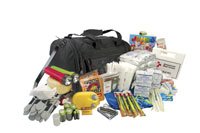
Watera 3-day supply; one gallon per person per day
-
Fooda 3-day supply of non-perishable, easy-to-prepare food
-
Flashlight
-
Battery-powered or hand-crank radio (NOAA Weather Radio, if possible)
-
Extra batteries
-
First aid kit
-
Medications (7-day supply) and medical items
-
Multi-purpose tool
-
Sanitation and personal hygiene items
-
Copies of personal documents (medication list
and pertinent medical information, proof of address, deed/lease to home,
passports, birth certificates, insurance policies)
-
Cell phone with chargers
-
Family and emergency contact information
-
Extra cash
-
Other essential items that could not be replaced if they were destroyed
What should I do if I live in an area at risk from landslides?
-
Landslides generally happen in areas where they
have occurred in the past. Learn about your areas landslide risk.
Landslides can also be referred to as mudslides, debris flows, mudflows
or debris avalanches.
-
Learn about local emergency response and evacuation plans.
-
Talk to everyone in your household about what to do if a landslide occurs.
-
Create and practice an evacuation plan for your family and your business.
-
Assemble and maintain an emergency preparedness kit.
-
Become familiar with the land around where you live and work so that you understand your risk in different situations.
-
Watch the patterns of storm water drainage on slopes near your home, especially where runoff water converges.
-
Debris flows and other landslides onto roadways are common during rainstorms.
-
Heavily saturated ground is very susceptible to mudflows and debris flows.
-
Be aware that, generally, landslide insurance is
not available, but that debris flow damage may be covered by flood
insurance policies from the National Flood Insurance Program (NFIP) at www.fema.gov/business/nfip.
What should I do if a landslide is occurring or likely to occur?
-
If you suspect imminent
danger, evacuate immediately. Inform affected neighbors if you can, and
contact your public works, fire or police department.
-
Listen for unusual sounds that might indicate moving debris, such as trees cracking or boulders knocking together.
- If you are near a stream or channel, be alert for
any sudden increase or decrease in water flow and notice whether the
water changes from clear to muddy. Such changes may mean there is debris
flow activity upstream so be prepared to move quickly.
- Be especially alert when driving watch for
collapsed pavement, mud, fallen rocks and other indications of possible
debris flow.
- If you are ordered or decide to evacuate, take your animals with you.
- Consider a precautionary evacuation of large or numerous animals as soon as you are aware of impending danger.
During Severe Storms
- Stay alert and awake. Many deaths from landslides occur while people are sleeping.
What should I do after a landslide?
-
Listen to local stations on a portable, battery-powered radio for the latest emergency information.
-
Stay away from the slide area until local officials say it is safe to enter.
- Watch for floodingfloods sometimes follow landslides and debris flows.
- Check for injured and trapped persons and animals near the slide, without entering the slide area.
- Look for and report broken utility lines to appropriate authorities.
- Check your homes foundation, chimney and surrounding land for damage.
- Replant damaged ground as soon as possible because erosion caused by loss of ground cover can lead to flash flooding.
- Consider leaving if it is safe to do so.
- Help people who require special assistance
- Listen to local news stations on a battery-powered radio for warnings of heavy rainfall
|